NICOLAS DESRANLEAU.

BUILDING A
WEB OPERATION.

From an external-agency model to a scalable, in-house web operation for sports and recreation venues.

SEE THE RESULTS

Employer

Website Manager2024 to present

  1. The Asana board that tracks every venue website build, one row per venue with its stage tags01PLANASANA BOARD
  2. A venue website sitemap: every page, its sections and the navigation structure, planned before the build02STRUCTURESITEMAP
  3. The WordPress admin of the base template, with the shared plugin set every venue site starts from03BUILDWP / SERVER
  4. The NEXUS venue homepage, a website built in-house, scrolling from its A New Place To Play hero through events, venues, visit planning and partnership sections04LIVE
WHERE IT STARTED

FROM EXTERNAL
AGENCY DEPENDENCYTO IN-HOUSE DELIVERY.

At The Sports Facilities Companies (SFC), a sports-venue management company, the original delivery model put an external agency between the business and its venue clients. Builds typically took five to seven months from signed contract to launch, venue clients paid agency prices, and the responsibility for delays or quality issues still came back to SFC.

I made the case for bringing development in-house. Initially, it was just me: setting the standard, defining the workflow, and building the first sites. Additional support came later, once the program was running at full speed.

THE OPERATION, TODAY

FROM SIGNED CONTRACT
TO SUPPORTED SITE.

Every venue site follows the same path, from the signed contract to support long after launch. Here is each step, and why I set it up that way.

  1. 00

    THE CONTRACT IS SIGNED.

    Every venue website starts here. We have multiple contract versions, depending on the type of client. Once the contract is signed, the project comes to us and follows the same path as every other build.

  2. 01

    SITEMAP FIRST.

    Before anything is designed, I plan the structure of the site. The sitemap gives every page and piece of content a place before we build it. Sitemaps are planned around the venue type: recreation centers, tournament destinations, membership venues and sport-specific facilities.

    A venue sitemap planning sheet: a summary list of every page, a section-by-section overview of each page, and the navigation structure with its dropdowns and anchors
  3. 02

    START FROM THE BASE TEMPLATE.

    No build starts from a blank page. We duplicate our base template from the server, preloaded with our tech stack, so every site begins from a setup we have already approved.

    One shared technical foundation: WordPress and Elementor with a consistent base plugin set. Each site then adapts to the venue's audience and goals.

  4. 03

    HOMEPAGE FIRST.

    The homepage is designed and built first. I review it, make edits, then share it with the client. Once they approve it, full development begins.

  5. 04

    DEVELOPMENT, THEN INTERNAL QA.

    We develop the rest of the site. Before the client sees it, the site goes through our internal QA process, so problems are caught before their review.

    An Asana task called Website Build Requirements with 24 subtasks, from cloning the template site on Kinsta to forms, SEO plugin setup, launch and Google Search Console
  6. 05

    CLIENT REVIEW ROUNDS.

    Then it is the client's turn. We work through their review in rounds of revisions until the site is ready.

    A Marker.io feedback panel over a website draft, with a hand-drawn arrow and the note change to green button, ready to submit as a task
  7. 06

    HOSTING CONTRACT, THEN GO LIVE.

    When the revision rounds are complete and the hosting contract is signed, the site goes live. Hosting is in-house too, so launch stays with us.

    The Kinsta hosting dashboard with its push environment dialog open, choosing files and database tables to push between environments
  8. 07

    SUPPORT AFTER LAUNCH.

    Launch is not the end. I built a ticketing platform where clients submit requests, and each ticket routes into the right department's Asana board.

    The website request page on the support portal, where a venue fills in its name, contact details and what it needs help with, such as plugins, forms or SEO, next to the latest marketing articles
  9. 08

    A TRAINING VIDEO LIBRARY.

    Web was getting a lot of repeat requests, so I created a custom training video library built around the SFC tech stack. Clients can check the videos before contacting the support office.

    The Learn It Now training page on the support portal: a library of featured video tutorials filtered to WordPress and Elementor, such as How To Edit A Page, How To Create A Form and How To Use Rank Math SEO
THE WORK IN PRACTICE

THE VENUES.
THE VISUAL WORK.

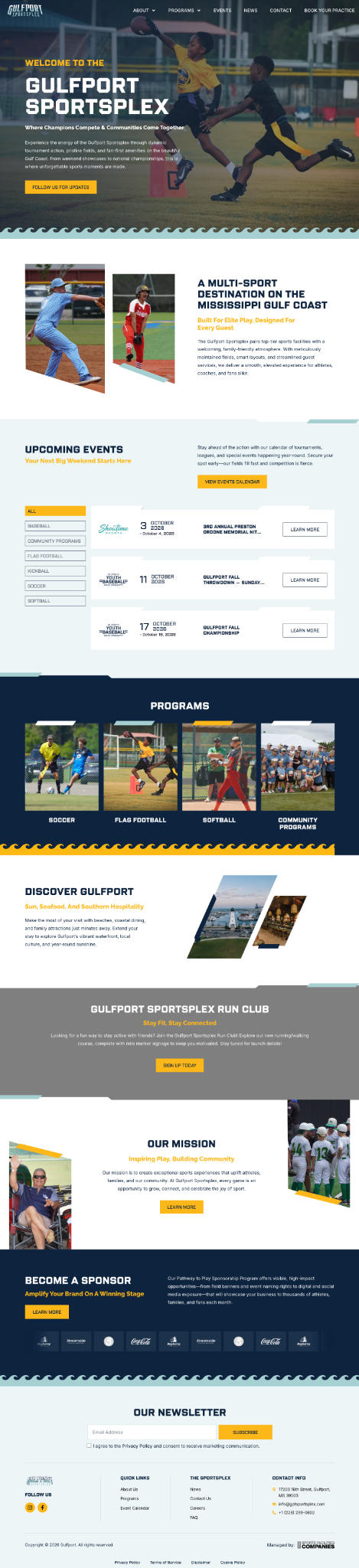
A selection of the venue websites I helped bring to life. The operating system matters, but the end result still has to look, feel, and work like the place it represents.

THE RESULTS

FASTER TO LAUNCH. CHEAPER FOR THE CLIENT.

Time to launchSigned contract to live site

In-house: ~3MOS

External agency: 5–7MOS

Client priceWhat venue clients pay

In-house: a third LESS

External agency: FULL

Home advantage

  • Repeatable delivery

    Each new site starts from one WordPress setup, plugins and settings already in place.

  • In-house hosting

    Every client moved off their outside host onto hosting we run in-house. Read how

Kids playing a game of soccer on an indoor turf field at a sports venue, one player kicking the ball past a defender while the goalkeeper waits in goal
THE PORTFOLIO, TODAY

THE SCALE I LOOK AFTER.

24+
WEBSITES BUILT IN-HOUSE
75+
LIVE SITES I OVERSEE
ON OUR SERVER

I brought hosting in-house too. Read about it here.

RECOGNITION

COST CENTER
TO PROFIT CENTER.

The Sports Facilities Companies named me its 2025 Rookie of the Year at its annual Sports Facilities Conference, for turning web from an outsourced cost into an in-house profit center.

Nicolas Desranleau on stage holding his SFC Rookie of the Year award, smiling between the two presenters, his name on the screen behind them
SFCROOKIE OF THE YEAR 2025
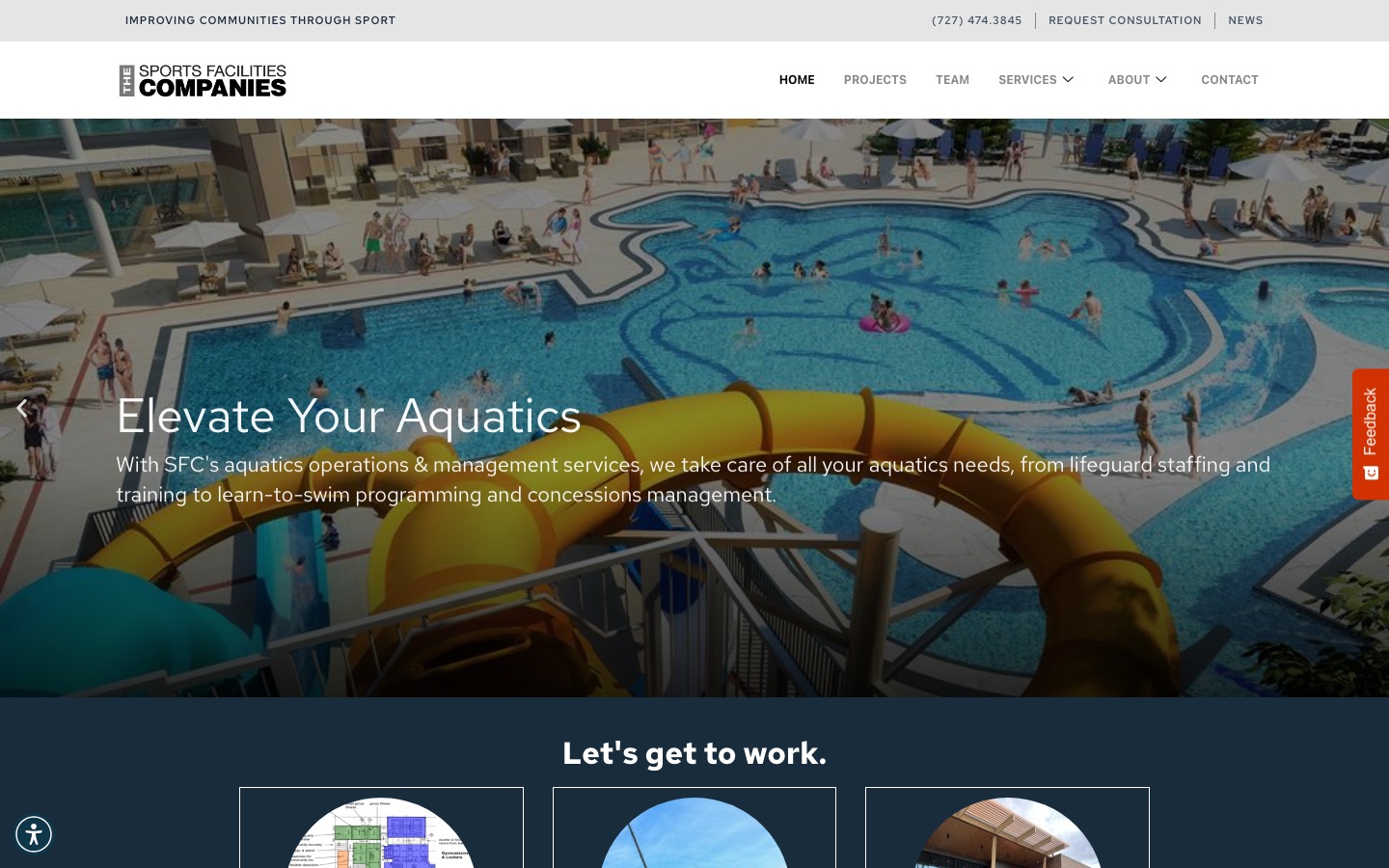
Before: the old Sports Facilities Companies homepage, with a grey utility bar, plain navigation and an aquatics slider
NEXT PROJECT

CORPORATE WEBSITE TRANSFORMATION